
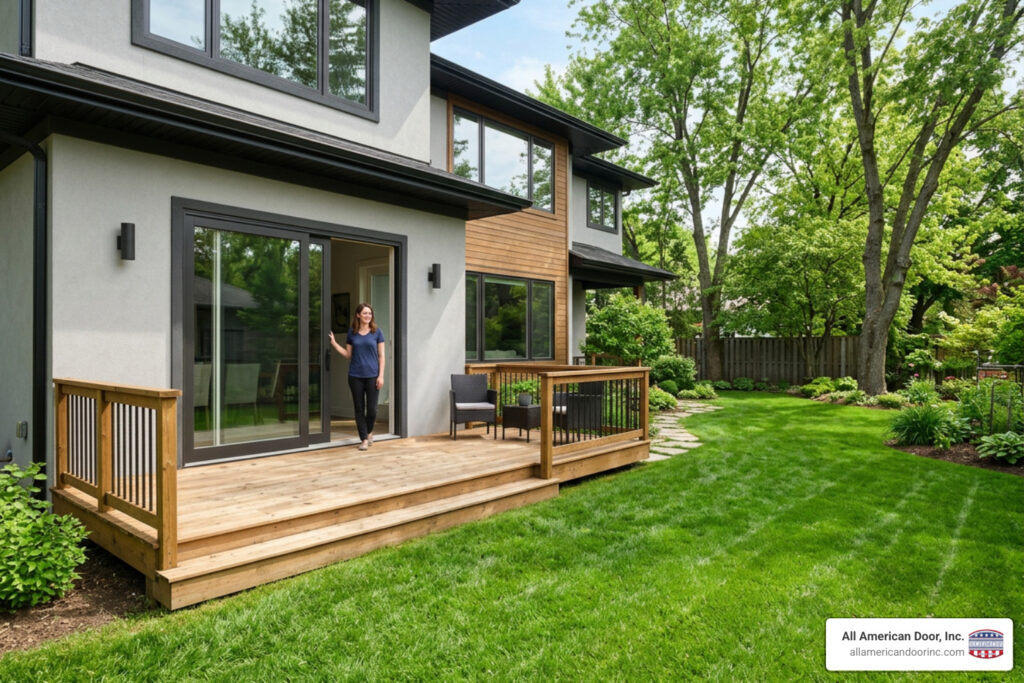
Why Choosing the Right 72×80 Patio Door Is More Complex Than It Looks
A 72×80 patio door — also written as 6-0 x 6-8 — is the most common standard size for residential patio doors in the U.S. But “standard size” doesn’t mean simple choice. There are hundreds of options across styles, materials, glass types, and configurations.
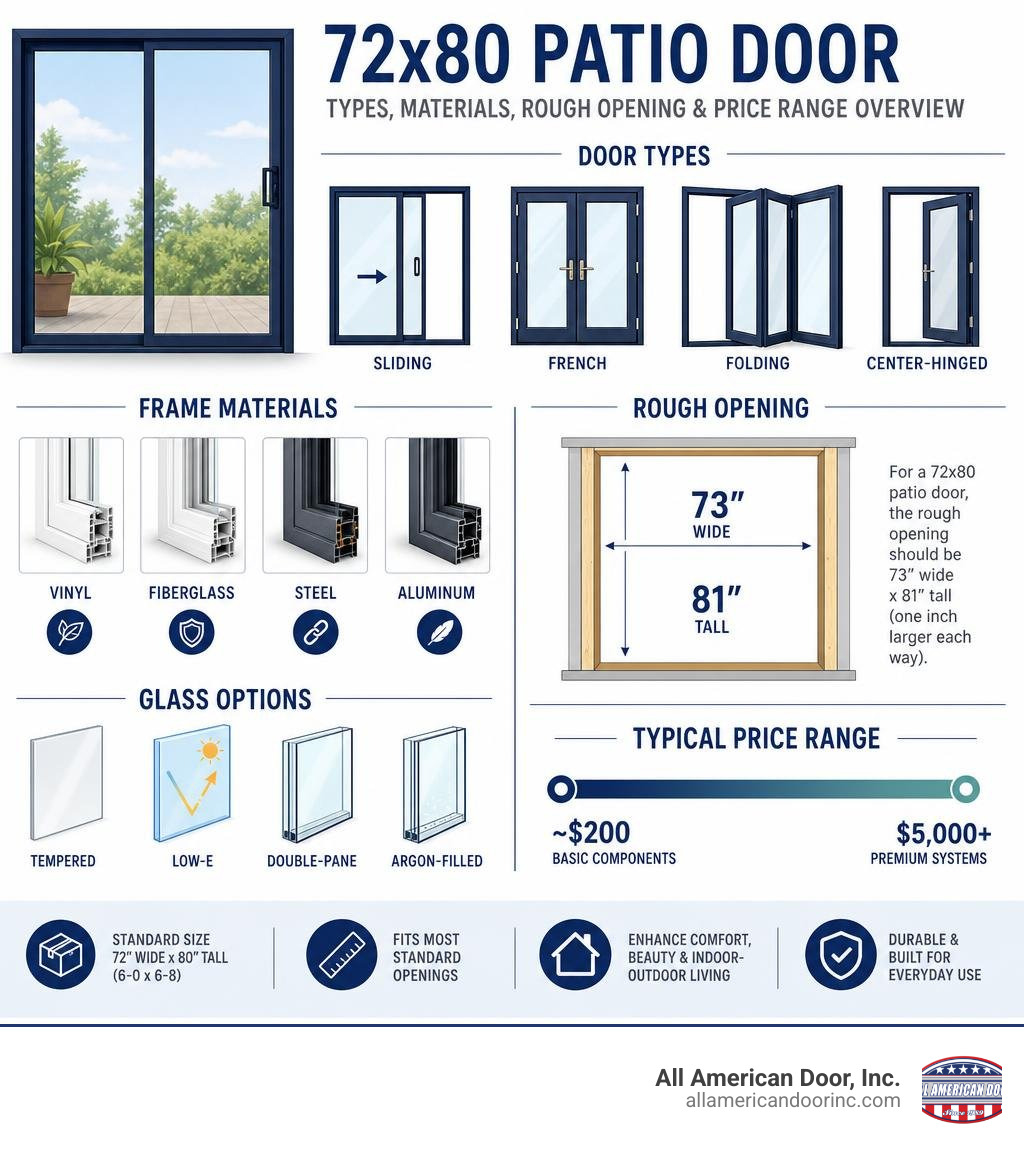
Here’s a quick snapshot of what you need to know:
| Factor | What to Know |
|---|---|
| Common types | Sliding, French, folding, center-hinged |
| Frame materials | Vinyl, fiberglass, steel, aluminum |
| Glass options | Tempered, Low-E, double-pane, argon-filled |
| Rough opening needed | 73″ wide x 81″ tall (one inch larger each way) |
| Typical price range | ~$200 for basic components up to $5,000+ for premium systems |
| Lead time | 1–3 days to ship in-stock; 6–14 weeks for custom orders |
If you’re replacing an older door that leaks air, fogs up, or rattles in coastal wind, you’re not alone. Most homeowners in Orange County deal with exactly that — especially on doors that are 10 or more years old.
The problem isn’t just finding a door that fits. It’s finding one that performs well in your specific climate, looks right for your home, and actually gets installed correctly.
This guide walks you through every major decision — style, material, glass, sizing, handing, cost, and maintenance — so you can choose with confidence.
Understanding the 72×80 Patio Door: Types and Configurations
When you begin shopping for a 72×80 patio door, the first major decision is how the door will operate. The configuration you choose impacts how much floor space you retain inside your home, how much fresh air you can let in, and how seamlessly your indoor and outdoor living spaces blend together.
In home design, patio doors serve as a visual bridge to your backyard, patio, or garden. Choosing the wrong configuration can lead to awkward traffic flows or blocked furniture. Let’s break down the most popular types available for this standard size.
Choosing a 72×80 Patio Door in a Sliding Configuration
Sliding patio doors are the undisputed champions of space-saving design. Unlike hinged doors that swing inward or outward, a sliding door glides horizontally along a track. This means you can place furniture, potted plants, or walkway paths directly next to the door without worrying about clearance.
When looking at sliding doors, you will frequently see the terms OX and XO configuration. These letters designate which panel moves and which one remains stationary (viewed from the outside looking in):
- “O” represents the stationary panel.
- “X” represents the active, sliding panel.
For a standard two-panel 72×80 patio door, one panel will slide while the other remains fixed. This layout is incredibly efficient at sealing out drafts and managing heavy wind loads, which is particularly beneficial if you live in breezy coastal areas of California or high-wind zones in Arizona.
Modern sliding doors feature specialized rollers gliding on heavy-duty aluminum tracks to ensure a smooth, whisper-quiet operation. If you want to dive deeper into why this style remains a homeowner favorite, check out our guide on The Benefits of Sliding Patio Doors.
French and Folding Patio Doors: Classic Elegance and Wide Openings
If your home leans toward a traditional, craftsman, or modern farmhouse aesthetic, French patio doors are a classic choice. Traditional French doors consist of two hinged panels that swing open from the center, providing a wide, unobstructed opening. This is perfect for hosting summer gatherings or moving large furniture in and out of the house.
However, French doors require adequate floor clearance. You must decide whether an inswing (swings into your living room) or outswing (swings out onto your patio) configuration works best for your layout.
For those who want the look of a French door but lack the clearance space, a center-hinged patio door is an excellent middle ground. In this setup, one panel is hinged to the center mullion and swings open over the fixed panel, mimicking the look of a double French door while saving valuable floor space.
If you want to make a dramatic architectural statement, folding patio doors (or bi-fold systems) fold accordion-style to one side. While a standard 72×80 patio door is on the narrower side for a full folding system, multi-panel configurations can still be customized to create a dramatic open-air transition. If you are looking to maximize your opening even further, you might also consider exploring Moving Glass Wall Systems to truly bring the outdoors inside.
Material and Glass Options for Maximum Performance
The materials that make up your door frame and glass panels dictate how much maintenance your door will require, how secure your home will be, and how well your home insulates against seasonal weather.
Frame Materials: Vinyl, Fiberglass, Steel, and Aluminum
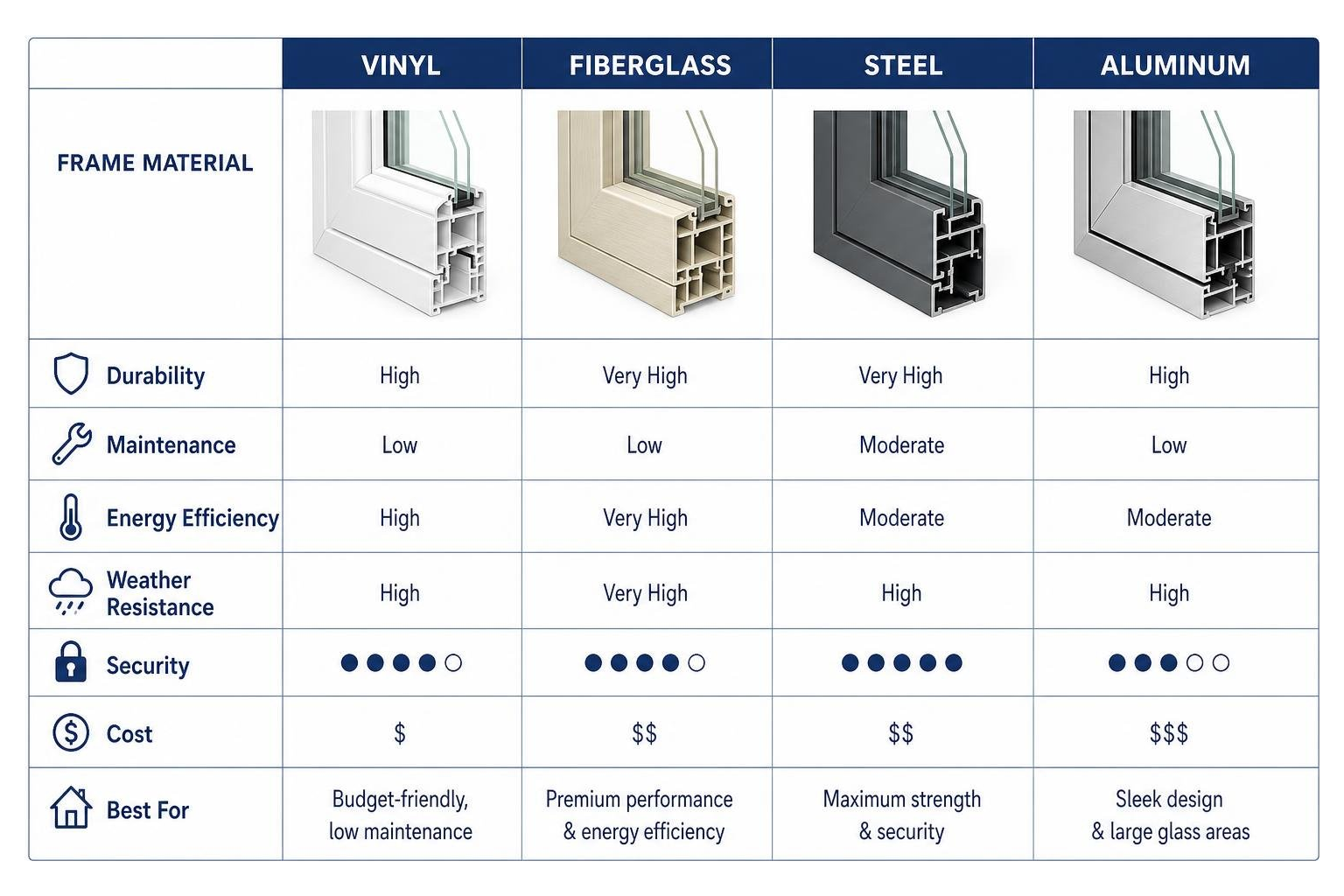
Choosing the right frame material is a balancing act between aesthetics, durability, and budget. Here are the four primary materials used for a 72×80 patio door:
- Vinyl: Vinyl is the most popular and cost-effective material on the market. It is highly resistant to moisture, decay, and rot, making it ideal for the coastal humidity of Southern California. Vinyl frames do not require painting, won’t rust, and offer excellent thermal insulation due to multi-hollow chamber designs that trap air. To explore these low-maintenance options, take a look at our selection of Vinyl Doors.
- Fiberglass: Engineered to resist warping, splitting, cracking, and denting, fiberglass is incredibly tough. It can be manufactured with a smooth finish or a realistic wood-grain texture that mimics mahogany or oak without the high maintenance of real wood. Fiberglass doors handle extreme temperature fluctuations beautifully, making them a premium choice for both California and Arizona climates.
- Steel: If home security and structural durability are your top priorities, steel is a stellar option. Steel patio doors are often primed at the factory, allowing you to paint them any custom color to match your home’s exterior. They offer a heavy, solid feel and excellent protection against forced entry.
- Aluminum: Aluminum frames offer a sleek, ultra-modern aesthetic with incredibly narrow sightlines, allowing for a larger glass area. While older aluminum doors were prone to heat transfer, modern options feature thermal breaks to improve efficiency. For a lightweight, durable, and highly modern look, aluminum sliding doors are an excellent choice to fit your home’s design.
Energy-Efficient Glass Features for a 72×80 Patio Door
Because a patio door is mostly made of glass, the glass package you choose has the biggest impact on your monthly utility bills. This is especially true in sunny regions like Fullerton, CA, and Lake Havasu City, AZ, where intense summer heat can quickly turn a living room into a greenhouse.
When comparing glass options, look for these crucial features, which often align with ENERGY STAR guidelines for residential doors:
- Tempered Glass: This is a safety requirement for all residential patio doors. Tempered glass is heat-treated to be physically stronger than standard glass. If it does break, it crumbles into small, blunt pebbles instead of sharp, dangerous shards.
- Low-E (Low-Emissivity) Coatings: Low-E glass features microscopically thin metal oxide layers applied to the glass surfaces. These coatings reflect infrared heat and ultraviolet (UV) light while letting visible light pass through. This keeps your home cooler in the summer, warmer in the winter, and protects your furniture and flooring from fading.
- Double-Pane and Triple-Pane Insulation: Modern patio doors use at least two panes of glass separated by a sealed space. Triple-pane glass offers the highest insulation value but adds weight and cost.
- Argon Gas Fill: Instead of regular air, high-quality doors feature dense argon gas sealed between the glass panes. Argon acts as a superior thermal barrier, significantly reducing heat transfer.
For homeowners managing the intense heat of the desert or the sunny coastal afternoons of Southern California, investing in high-performance glass is essential to keep your home comfortable year-round.
Sizing, Handing, and Technical Specifications
Before purchasing a door, you must navigate the technical details of sizing and handing. Getting these measurements wrong can lead to costly delays, return shipping fees, or a door that simply won’t fit your wall.
Measuring the Rough Opening and Understanding Nominal Sizing
In the construction industry, door sizes are often referred to by their nominal size. A 72″ x 80″ door is nominally called a “6-0 x 6-8” door (6 feet wide by 6 feet 8 inches tall). However, the actual physical unit size of the door frame is usually slightly smaller than these dimensions to allow the door to be leveled and shimmed during installation.
To install a prehung patio door successfully, you must measure your rough opening (R.O.) — the raw, framed opening in your wall before the door frame is inserted.
The general rule of thumb is that your rough opening should be approximately 1 inch wider and 1 inch taller than the nominal door size. For a standard 72×80 patio door, the ideal rough opening is 73″ x 81″.
| Dimension Type | Width | Height | Purpose |
|---|---|---|---|
| Nominal Size | 72″ (6’0″) | 80″ (6’8″) | Standard catalog ordering size |
| Actual Unit Size | ~71.25″ to 71.5″ | ~79.25″ to 79.5″ | Physical size of the outer door frame |
| Recommended Rough Opening | 73″ | 81″ | Raw wall opening required for installation |
Always measure the width of your rough opening in three places (top, middle, and bottom) and the height in two places (left and right). Use the smallest measurements to ensure the door frame will slide into the space without binding.
Determining Door Handing and Swing Direction
“Handing” refers to the direction in which your door opens and which panel is active. Getting this right ensures your door doesn’t swing into kitchen cabinets or block the natural flow of foot traffic.
- For Sliding Doors: Handing is typically viewed from the outside looking in. An XO door means the left panel is active and slides to the right, while an OX door means the right panel is active and slides to the left.
- For French and Hinged Doors: Handing is determined by standing on the inside of the house and looking at the door. If the hinges are on your left, it is a left-hand door. If the hinges are on your right, it is a right-hand door. You must also specify whether you want an inswing or outswing door based on your room’s interior layout.
Cost, Lead Times, and Long-Term Maintenance
Pricing Factors, Shipping Lead Times, and Warranties
As of July 2026, the price of a 72×80 patio door varies widely depending on the materials and features you select.
- Budget ($200 – $600): Basic vinyl sliding doors with standard double-pane glass. These are functional but offer fewer design options and basic hardware.
- Mid-Range ($800 – $2,000): High-quality vinyl or steel doors with premium Low-E glass, built-in blinds between the glass, and multi-point locking systems.
- Premium ($2,000 – $5,000+): Custom fiberglass, mahogany wood, or architectural aluminum doors. This category includes multi-panel folding systems, custom grid patterns (like 10-lite or 15-lite French styles), and advanced impact-resistant glass packages.
Lead Times: If you buy an in-stock, standard configuration, it can often ship within 1 to 3 business days. However, if you opt for a custom color, specialized glass, or a specific handing configuration, custom manufacturing and shipping can take anywhere from 6 to 14 weeks.
Warranties: Always check the manufacturer’s warranty before purchasing. Standard doors usually come with a 2-year warranty against manufacturing defects, while premium brands offer 10-year to lifetime limited warranties on the frame, glass seals, and hardware.
Maintenance Tips for Longevity and Draft Prevention
A patio door is a major investment. To ensure it glides smoothly and keeps drafts out of your home for decades, follow these simple maintenance steps:
- Clean the Tracks Regularly: Dirt, pet hair, and debris naturally accumulate in sliding door tracks. Vacuum the tracks once a month and wipe them down with a damp cloth to prevent the rollers from wearing out prematurely.
- Wipe Down the Frame: Clean vinyl, fiberglass, or aluminum frames with a soft, damp cloth and mild soap. Avoid abrasive chemical cleaners that can strip away protective coatings or damage glossy finishes.
- Inspect the Weatherstripping: Over time, the flexible weatherstripping around your door frame can become compressed or torn, letting in drafts. Inspect it annually and replace any worn sections to maintain your home’s energy efficiency.
- Lubricate the Hardware: Apply a silicone-based lubricant to the hinges, locks, and rollers once a year. Avoid using heavy oils or WD-40, which can attract dust and clog the mechanism.
Frequently Asked Questions About 72×80 Patio Doors
What is the recommended rough opening for a 72×80 patio door?
The recommended rough opening for a standard 72×80 patio door is 73″ x 81″. This provides a half-inch of clearance on all sides of the door frame, allowing the installer to shim, level, plumb, and insulate the door properly during installation.
Can I replace the glass in a sliding patio door myself?
No, replacing the glass in a sliding patio door is not a recommended DIY project. Patio doors use heavy, large panels of tempered safety glass that are structurally sealed into the sash. Attempting to replace the glass yourself can compromise the weatherproofing seal, void your manufacturer warranty, and pose a serious safety risk. Always consult a professional installer for glass or sash replacements.
What is the difference between OX and XO sliding door configurations?
This terminology describes which panel slides, viewed from the outside looking in. In an XO configuration, the left panel (“X”) is active and slides to the right, while the right panel (“O”) is stationary. In an OX configuration, the right panel (“X”) is active and slides to the left over the stationary left panel (“O”).
Conclusion: Professional Installation for Your Peace of Mind
Picking out the perfect 72×80 patio door is only half the battle; ensuring it is installed correctly is what guarantees long-term performance. Even the most expensive, energy-efficient door will leak air, stick in its tracks, or let in moisture if the frame is slightly out of square.
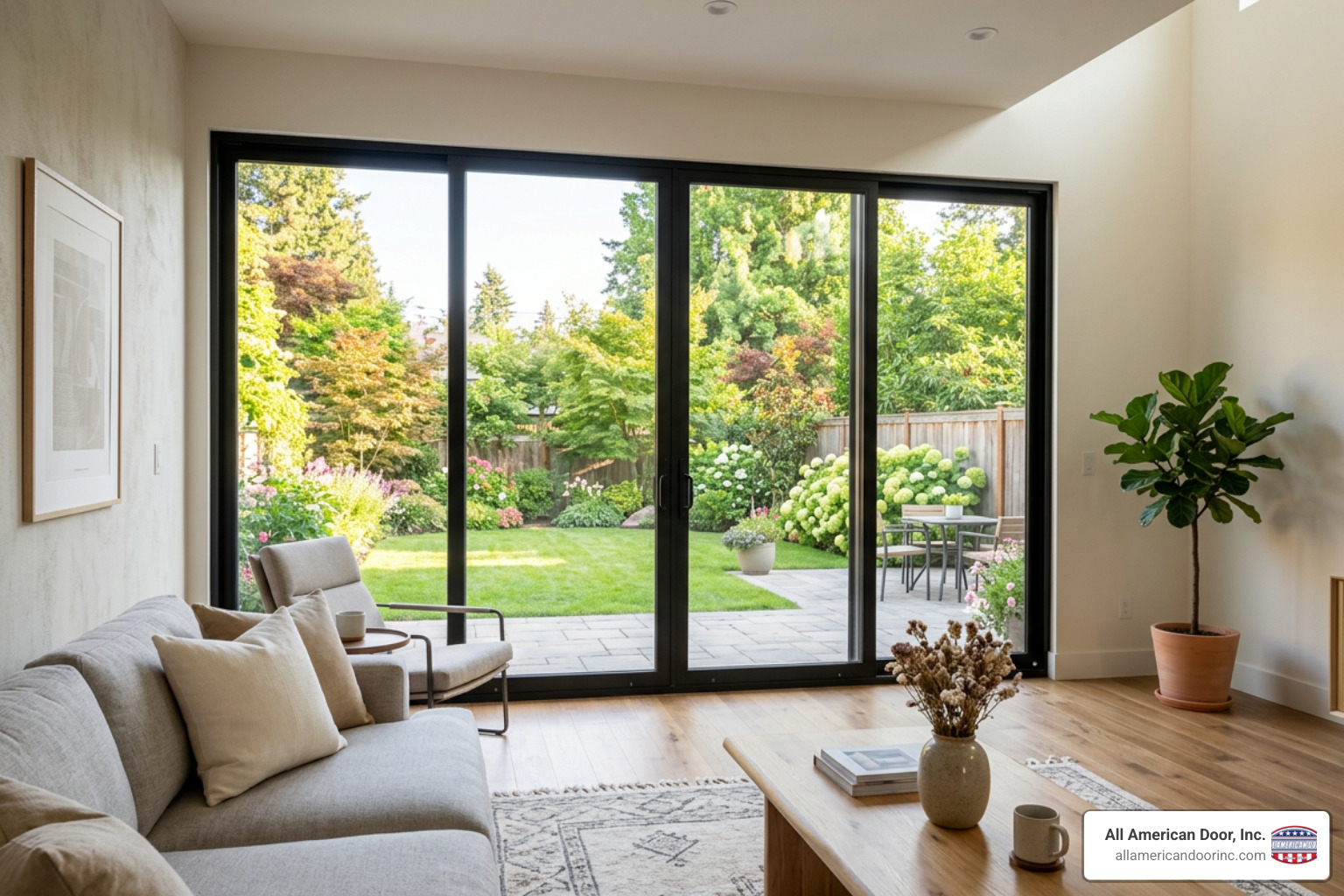
At All American Door, Inc., we have spent over 20 years helping homeowners across Fullerton, Orange County, CA, and Lake Havasu City, AZ, find and install the perfect doors for their homes. As a family-run business with an A+ rating from the BBB, we pride ourselves on our certified, in-house installers — we never outsource our labor to third-party subcontractors.
Whether you want to explore the classic elegance of French doors, the space-saving utility of a modern slider, or custom configurations, we invite you to visit our hands-on showroom in Fullerton to see the quality for yourself.
Ready to make a lasting upgrade to your home? Discover The Long-Term Positives of Investing in New Patio Doors or explore our full selection of Patio Doors today. Whether you are in Santa Ana, Fullerton, or anywhere else in Orange County, our team ensures your installation meets the highest local standards for weatherproofing and structural integrity.
Stop by our showroom or contact us today to get started on your stress-free patio door upgrade!