
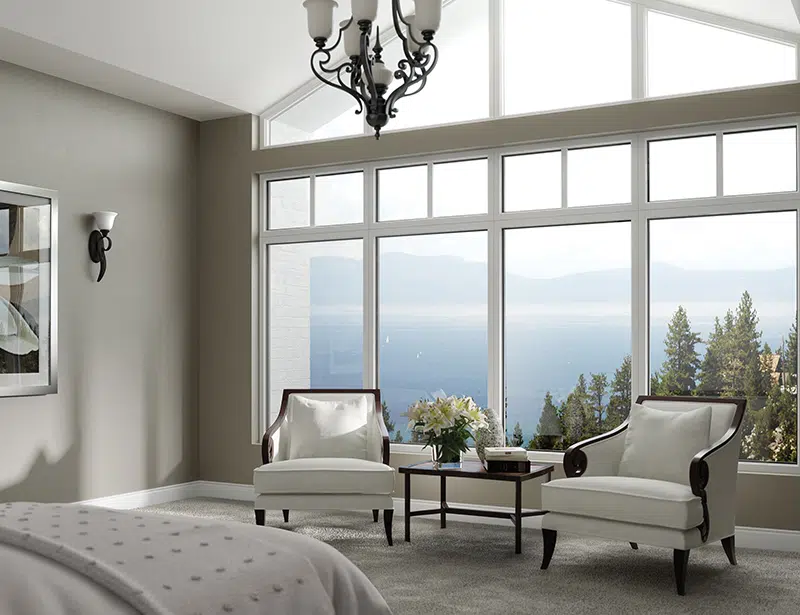
Durable Vinyl Window Options for Orange County Homes
The best durable vinyl window options pair multi-chamber frames with strong corner joints, tight weather seals, and double-pane glass. For a coastal Orange County home, compare wind and rain ratings first, then check energy ratings and installation plans. A well-built window can still leak if it is installed poorly.
Vinyl is the largest segment of the replacement window market for good reason: it resists moisture and needs no repainting. But frame design, glass, and fit vary. I’m Greg, and I’ll help you spot the differences that matter before you choose.
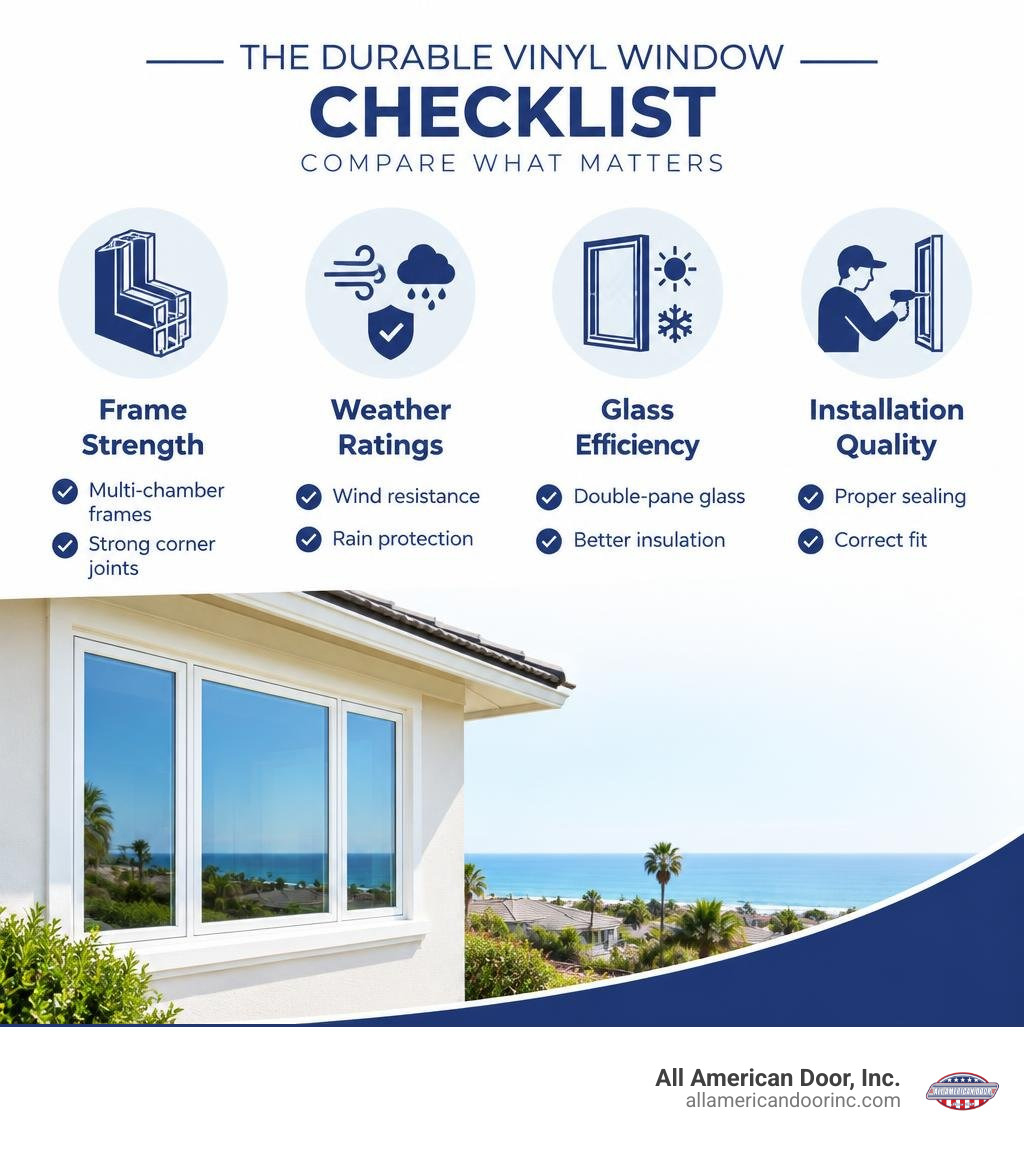
Simple guide to durable vinyl window options terms:
Key Construction Features of Durable Vinyl Window Options
When shopping for replacement windows, it is easy to assume that all vinyl frames are fundamentally the same. Beneath the surface, however, the chemical formulation and structural engineering of the frame make the difference between a window that sags after five years and one that stays airtight for decades.
High-performance vinyl starts with premium unplasticized polyvinyl chloride (uPVC). To understand the chemistry behind why these frames do not degrade under intense sun or coastal air, learning why polyvinyl chloride is perfect for windows helps clarify the material’s natural resilience. High-grade compounds include impact modifiers to prevent cracking under physical stress and premium UV stabilizers—such as titanium dioxide—that reflect solar radiation and shield the material from yellowing or becoming brittle.
Multi-Chamber Frames in Durable Vinyl Window Options
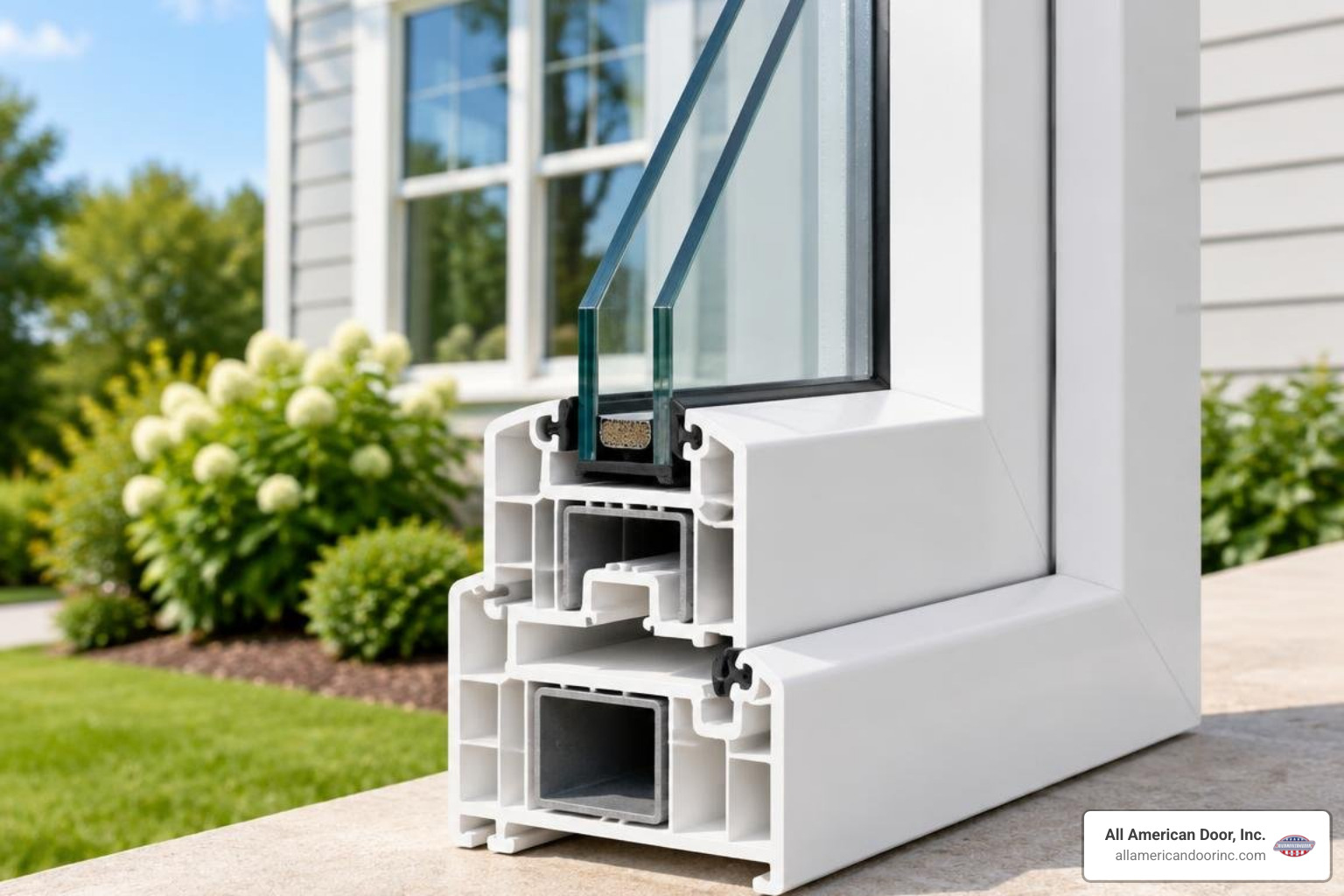
If you cut a high-end vinyl window frame in half, you will not see a hollow open space. Instead, you will see an intricate, web-like grid of internal walls creating multiple separate cavities. These are known as multi-chamber frames.
Multi-chamber engineering serves two vital purposes:
- Structural Rigidity: Each vertical and horizontal web acts like an internal truss, preventing the frame from bowing or twisting under high wind loads or building movement.
- Thermal Insulation: The internal chambers create pockets of dead air that disrupt thermal conduction. Heat cannot easily transfer from the hot exterior wall to the interior living space.
This geometry also manages thermal expansion. Vinyl naturally expands and contracts with temperature swings. Multi-chamber designs distribute this movement evenly across the frame profile, reducing stress on the perimeter seals.
Heavy-Duty Extrusions and Fusion-Welded Corners
The thickness of the vinyl walls—the extrusion quality—dictates how well the window holds heavy double-pane insulated glass units over time. Thin, economy-grade vinyl can flex under the weight of the glass, causing sash operation to stick. Heavy-duty extrusions provide a solid foundation for hardware components like stainless steel rollers, multi-point locks, and robust hinges.
Equally important is how the corners are joined:
- Mechanically Fastened Corners: Cheaper windows often use screws and brackets at the corners, sealed with caulk. Over time, building vibration and thermal cycling can loosen these joints, causing water leaks.
- Fusion-Welded Corners: Durable vinyl windows feature fusion-welded corners. The vinyl ends are heated to roughly 460 degrees Fahrenheit and pressed together under hydraulic pressure. This fuses the frame into a single continuous, impermeable piece of material that eliminates corner seam leaks permanently.
Vinyl vs. Wood and Composite: Durability, Lifespan, and Maintenance
Homeowners often ask us how vinyl stacks up against traditional wood or newer composite alternatives. While wood delivers classic architectural beauty, it demands continuous upkeep. Choosing vinyl as a low-maintenance replacement window choice eliminates the recurring cycle of scraping, sanding, and repainting.
| Feature | Premium Vinyl | Traditional Wood | Composite / Engineered |
|---|---|---|---|
| Moisture Resistance | Impermeable; zero water absorption | Vulnerable to rot and swelling | High resistance; depends on wood content |
| Maintenance Needs | Occasional soap-and-water cleaning | Routine painting or staining every 3–5 years | Periodic cleaning; occasional touch-ups |
| Insect & Pest Resistance | Completely impervious to termites | Vulnerable to termites and carpenter bees | Resistant to most common wood-boring pests |
| Thermal Expansion | Moderate; managed via internal chambers | Minimal; swells with moisture absorption | Low to moderate expansion rates |
| Upfront & Lifecycle Cost | Cost-effective with minimal lifecycle upkeep | High initial cost plus recurring maintenance | Moderate-to-high initial investment |
Resistance to Moisture, Warping, and Rot
Wood frames absorb moisture from marine layers, fog, and seasonal rainstorms. This leads to swelling, peeling paint, and eventually fungal rot that weakens the structure.
Vinyl is non-porous and completely water-resistant. It does not rot, corrode, or attract wood-destroying pests. Because the color is formulated throughout the entire profile rather than applied as a surface coat, scratches do not reveal a different color underneath, and the frame will never need a fresh coat of paint. For homeowners who prefer to spend their weekends enjoying the outdoors rather than standing on a ladder with a paintbrush, vinyl provides peace of mind.
Weather Resistance and Lab-Tested Performance Standards
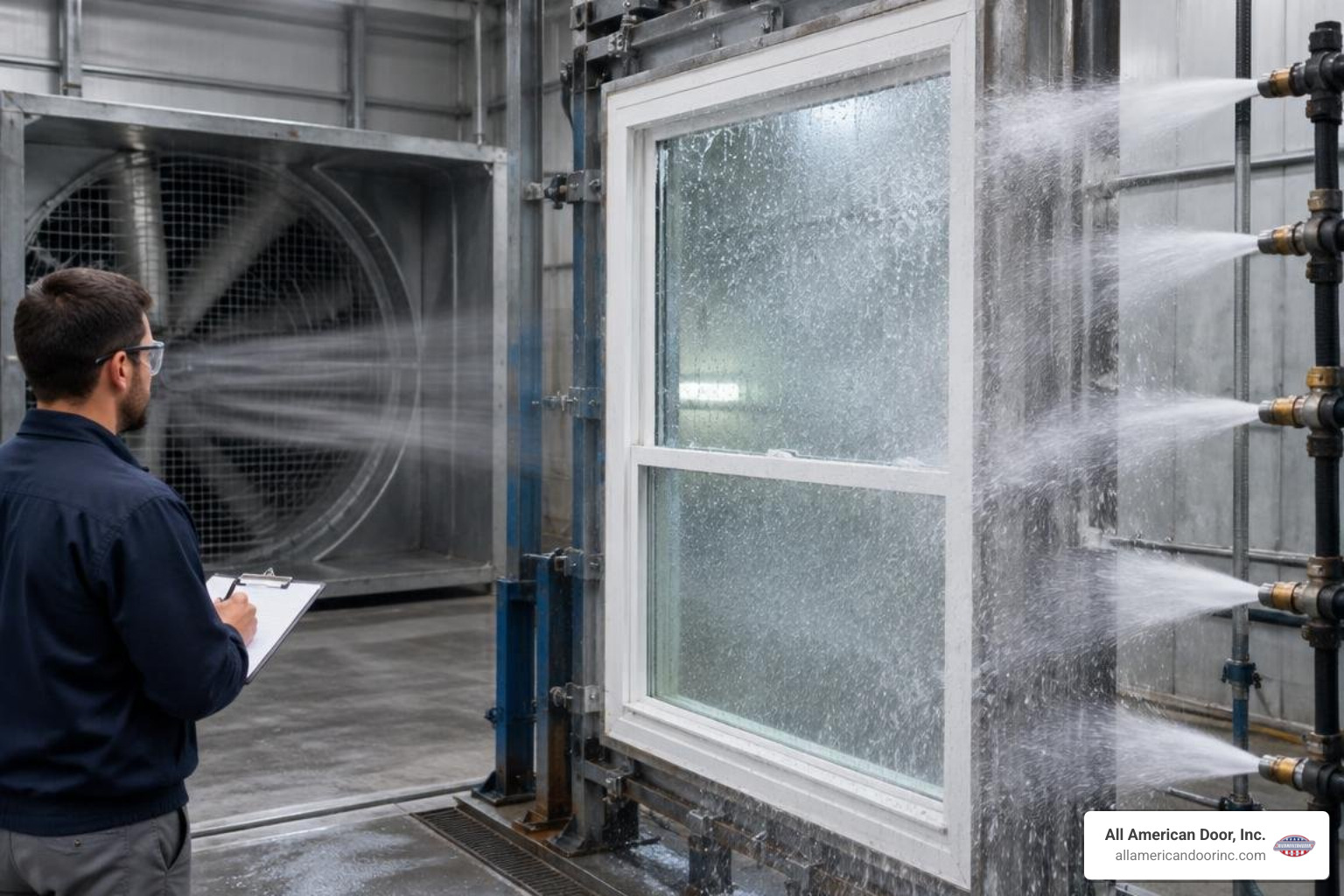
A window should do more than look attractive—it must hold up against punishing storm fronts. In third-party laboratory evaluations, including rigorous tests published by Consumer Reports, replacement windows are installed in test chambers, subjected to simulated hurricane-level wind speeds, and sprayed with five gallons of water per square foot every hour to test their limits.
Reviewing the top 7 reasons why vinyl windows are the best replacement option reveals that well-built vinyl windows consistently outperform many higher-priced wood alternatives in direct wind-driven rain tests.
Top Durable Vinyl Window Options for Extreme Wind and Rain Resistance
Lab data shows that poorly engineered windows can begin leaking water when winds hit just 35 mph. By contrast, top-tier vinyl windows withstand simulated winds up to 74 mph—the threshold of gale-force and hurricane conditions—without allowing moisture past their primary water barriers.
To identify windows engineered for high wind zones, evaluate:
- Design Pressure (DP) and Performance Grade (PG) Ratings: These scores reflect the window’s ability to resist wind pressure without structural deflection or frame distortion.
- Weatherstripping Integration: Look for multi-fin plush weatherstripping along the sash tracks that prevents air infiltration while maintaining smooth glide operation.
Homeowners comparing premium brands can compare Milgard vinyl options to see how specific frame profiles, like the Tuscany and Style Line series, match up in strength and aesthetic style.
Key Performance Certifications to Look For
To ensure you are investing in reliable products, check for the following independent labels:
- Energy Star Certification: Verifies that the window meets climate-specific energy standards set by the U.S. Environmental Protection Agency.
- National Fenestration Rating Council (NFRC): Provides standardized performance metrics:
- U-Factor: Measures the rate of heat loss (lower numbers mean better insulation).
- Solar Heat Gain Coefficient (SHGC): Measures how much solar heat enters your home (lower numbers reduce air conditioning strain in hot climates).
- AAMA (American Architectural Manufacturers Association) Gold Label: Certifies that the window profile has been tested for air leakage, water resistance, and structural integrity.
For an independent look at how replacement windows are evaluated in controlled lab conditions, Consumer Reports publishes detailed replacement window testing results that compare air leakage, wind resistance, and long-term durability across major brands.
Installation Styles and Energy Efficiency: Maximizing Window Longevity
Even the strongest vinyl window will fail if the surrounding installation is handled incorrectly. A comprehensive overview in the definitive guide to vinyl windows underscores that professional craftsmanship during installation is just as critical as factory engineering.
Understanding the top 5 reasons to opt for vinyl replacement windows helps homeowners plan an upgrade that delivers immediate comfort and long-term energy savings.
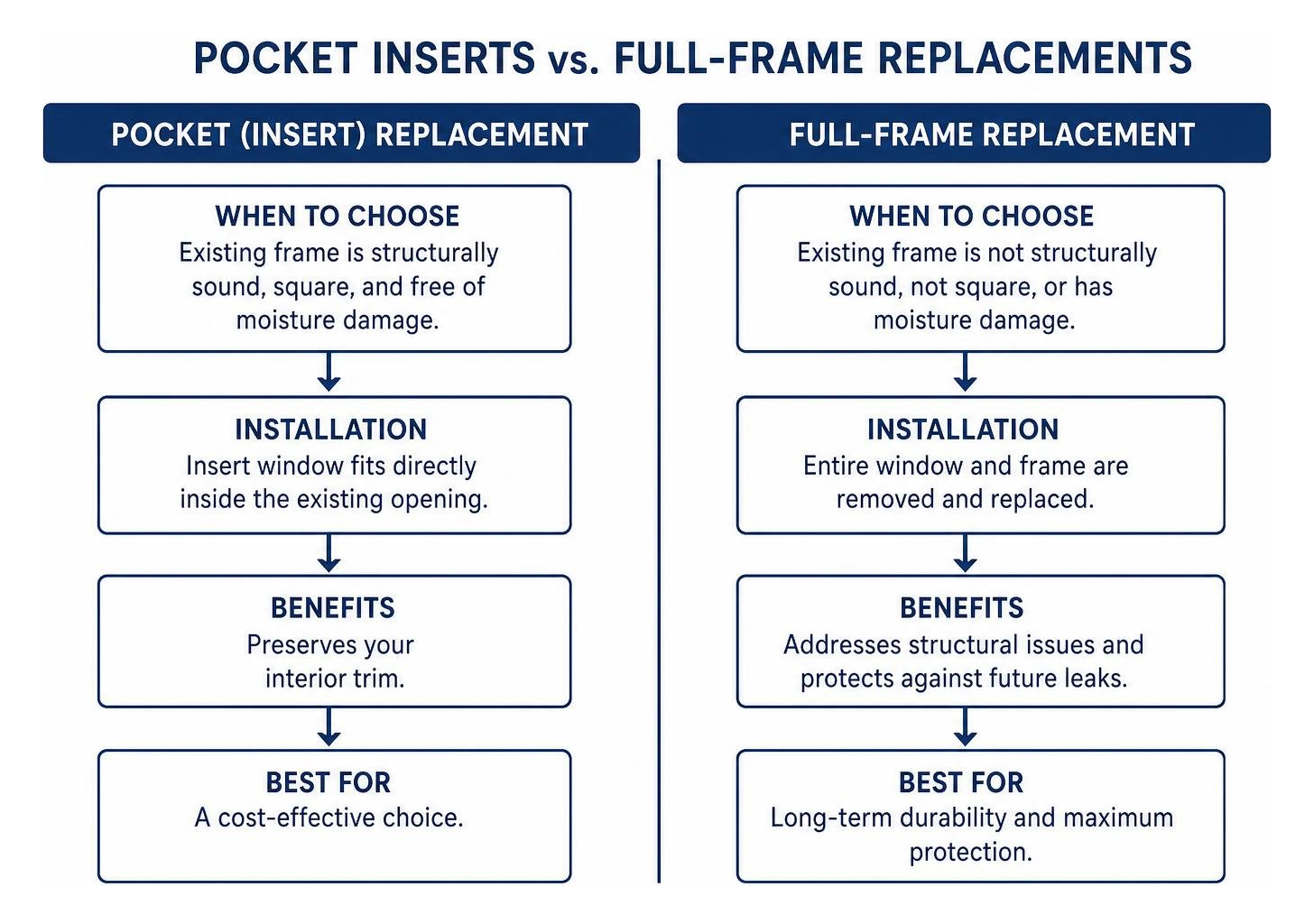
Pocket Inserts vs. Full-Frame Replacements
Depending on the condition of your home’s existing window openings, we recommend one of two installation approaches:
- Pocket (Insert) Replacement: If your existing wood or aluminum frame is structurally sound, square, and free of moisture damage, an insert window fits directly inside the existing opening. This preserves your interior trim, reduces labor time, and is a cost-effective choice.
- Full-Frame Replacement: If the existing frame is rotted, out of square, or improperly flashed, a full tear-out is necessary. The old frame, sills, and trim are removed down to the rough framing studs. This allows us to apply new flashing tape, inspect the wall structure, and install a custom-sized frame for maximum weatherproofing.
Double-Pane Insulated Glass and Gas Fills
Modern vinyl replacement windows use Insulated Glass Units (IGUs) composed of two panes of glass separated by an engineered spacer bar.
- Low-E Coatings: Microscopically thin metallic coatings reflect infrared heat back to its source while letting natural light pass through, keeping interiors cooler during hot summer days.
- Argon Gas Fills: The space between the panes is filled with non-toxic argon gas, which is denser than air and slows conductive heat transfer.
- Warm-Edge Spacers & Hermetic Seals: High-grade spacer systems flex with atmospheric pressure changes, keeping the gas trapped and preventing moisture from fogging between the panes.
Why Professional Installation Protects Window Longevity
A DIY or uncertified installation often leads to common points of failure:
- Out-of-Square Sashes: If a window is installed even an eighth of an inch out of level, the locking mechanisms will bind, causing air leaks and accelerated wear.
- Improper Insulation: Using high-expansion standard foams can bow vinyl frame jambs inward. Certified installers use non-expanding, low-pressure polyurethane foam designed specifically for window frames.
- Flashing Failures: Proper integration with the home’s water-resistive barrier ensures that wind-driven rain drains safely to the exterior rather than seeping into the wall cavity.
Frequently Asked Questions About Resilient Vinyl Windows
How long do high-quality vinyl windows typically last in harsh climates?
High-quality vinyl windows typically last between 20 to 30 years when properly installed and maintained. In high-sun or coastal environments, premium uPVC formulations resist salt spray corrosion, thermal degradation, and seal failure far longer than entry-level builder-grade products.
Do vinyl windows warp or degrade under intense heat and sun exposure?
Quality vinyl windows are engineered with titanium dioxide additives and specialized heat-reflective pigments that prevent warping and fading. While dark-colored, low-end vinyl can soften under extreme desert heat, premium profiles feature reinforced inner chambers and thick extrusions designed to withstand intense sun exposure without losing their shape.
What warranty coverage should I expect on durable vinyl frames?
Warranty coverage varies significantly across manufacturers and product lines. When reviewing warranties, confirm the specific terms for frame integrity, glass seal failure, hardware components, and labor coverage based on your purchase date and property type. We help homeowners review and understand the exact warranty terms for every window line we install.
Conclusion
Upgrading your home with durable vinyl windows enhances indoor comfort, lowers monthly utility bills, and provides dependable protection against the elements for decades to come.
At All American Door, Inc., we bring over 20 years of local service and an A+ BBB rating to every project across Orange County and surrounding regions. Our certified in-house installers ensure your custom-fit windows are sealed to the highest weather-resistance standards. Visit our Fullerton showroom to explore our full line of high-performance vinyl windows in person, or contact our team today for a free, in-home consultation tailored to your home’s unique climate needs.